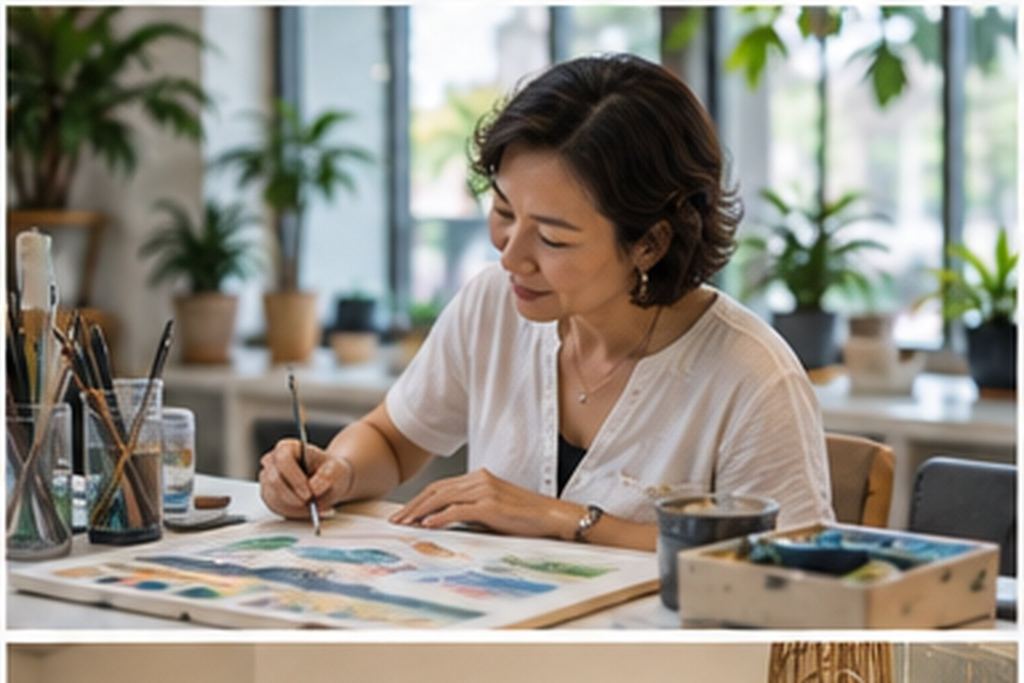
Some hobbies offer a pleasant afternoon. Others become a continuing way to learn, meet people and pay attention to the world. Both can be worthwhile. If you would like an interest that grows with you, begin with the part you enjoy doing, rather than the skill you hope to display or the equipment you imagine owning. A modest start can tell you more than a large commitment.
Choose the process you want to return to
Ask what you enjoy while an activity is happening. Baking involves measuring, waiting and cleaning as well as eating the result. Photography involves walking, looking and deciding what to leave out. Gardening includes maintenance and failed attempts. Music may mean repeating a difficult phrase more often than playing a complete piece.
You do not need to enjoy every part, but the ordinary process should contain something you want to return to. Watching skilled people can make an interest attractive without revealing whether the practice suits your own week. A small first attempt is a better guide than enthusiasm for the finished work.
Make the first experiment small
Before buying equipment or signing up for a long course, try the simplest meaningful version. Borrow a tool, use a phone camera, attend an introductory workshop or ask whether materials are included. Choose an experiment with a cost and finish you understand.
onePA’s course directory can help you compare local options across interests. Check the actual level, language, schedule and course notes, including any extra material costs. A convenient beginner course may be a better test than a prestigious one requiring a long journey. The goal is to find out whether you want a second encounter, not to prove commitment immediately.
Source: People’s Association: onePA courses ↗Choose the kind of learning you need
Some people enjoy working things out independently. Others want feedback, a clear sequence or the company of classmates. Choose the format that addresses the difficulty you actually have. If you are unsure how to begin safely or technically, instruction may matter more than a social club.
An independent group session is different from a taught class. National Gallery Singapore’s Gallery Sketch Chapter: Collective invites participants to “practise at your own pace”. It welcomes beginners and returning sketchers, but its independent format should not be confused with individual teaching. The next listed session is 21 November 2026, 4–7pm, free with registration; check the official page before booking.
Source: National Gallery Singapore: Gallery Sketch Chapter, Collective ↗Give the interest a realistic place at home
A hobby also needs somewhere to happen. Think about storage, light, noise, ventilation and what must be cleared away after a session. A useful setup can be very small: materials in one box, a music stand that folds or a notebook you can carry.
Consider the household too. Someone sharing the space may have a different routine or sensitivity to noise. Agree where practice will fit rather than assuming that retirement has made the entire home available. If home is unsuitable, a class, studio or other appropriate setting may make the interest easier to sustain.
Practise one thing rather than everything
Choose a small skill you can repeat for several weeks. It might be keeping a drawing proportionate, growing one plant successfully or learning a short piece of music. A manageable focus makes progress easier to notice without requiring every practice session to produce something impressive.
Keep an occasional record for yourself. A dated sketch, photograph or note can show changes that are hard to see day by day. Avoid making the record a performance report. An interest can remain enjoyable during periods when progress is slow, and returning after a break does not require starting from zero.
Make it social if you want to
A club, class or regular practice partner can add company and a reason to return. It can also introduce expectations about attendance, pace or public performance. Ask what a group normally does before assuming its atmosphere will suit you.
Social participation is optional. You might enjoy learning a technique in company and practising alone, or keep the hobby entirely private. If you want connection, choose a recurring group rather than expecting a single workshop to create friendship. Let the shared interest give conversations somewhere to begin, with no requirement to become close immediately.
Explore this MICHI guide →Let the cost follow your interest
Equipment can make an interest feel real before you have discovered how you use it. Delay the larger purchase until you can name the limitation it would address. Better tools will not necessarily solve an inconvenient practice time or a subject you do not enjoy.
Include running costs: materials, lessons, transport, repairs and storage. A more modest version can still provide years of pleasure. If the cost has become uncomfortable, adjust the arrangement before deciding that the entire hobby must end. Borrowing, sharing, practising at home or attending less often may keep the part that matters.
Keep the hobby yours as it grows
An interest may eventually lead to teaching, selling or public performance. Those can be enjoyable choices, but they introduce administration, deadlines and other people’s expectations. Ask whether you want those tasks as much as you want the activity itself.
You are also allowed to keep it small. A hobby can be worth getting better at without becoming a business or a defining identity. Review it by asking whether you still enjoy returning to the process. The answer can change over time, and you can pause, try another form or begin something else without making the earlier years a waste.
Explore this MICHI guide →Programme details checked on 5 October 2026. The learning and budgeting prompts are MICHI editorial suggestions. Confirm class requirements, fees and availability directly with the organiser.
 THINGS TO DO
 THINGS TO DO
 THINGS TO DO